
How Small Businesses Can Automate 30% of Their Work Without Hiring More Staff
Posted on April 12, 2026 • 4 minutes • 746 words
Running a small business in 2026 means doing more with less. Every founder I meet is juggling sales, operations, customer support, invoicing, and hiring—often in the same day. The result is predictable: long hours, manual work, and slow growth.
The good news is that a lot of this busywork can be automated without hiring more staff or buying expensive enterprise tools. In this post, we’ll break down practical ways small and mid-sized businesses can automate 30% of their routine work using simple systems and smart software.
1. Identify what to automate first
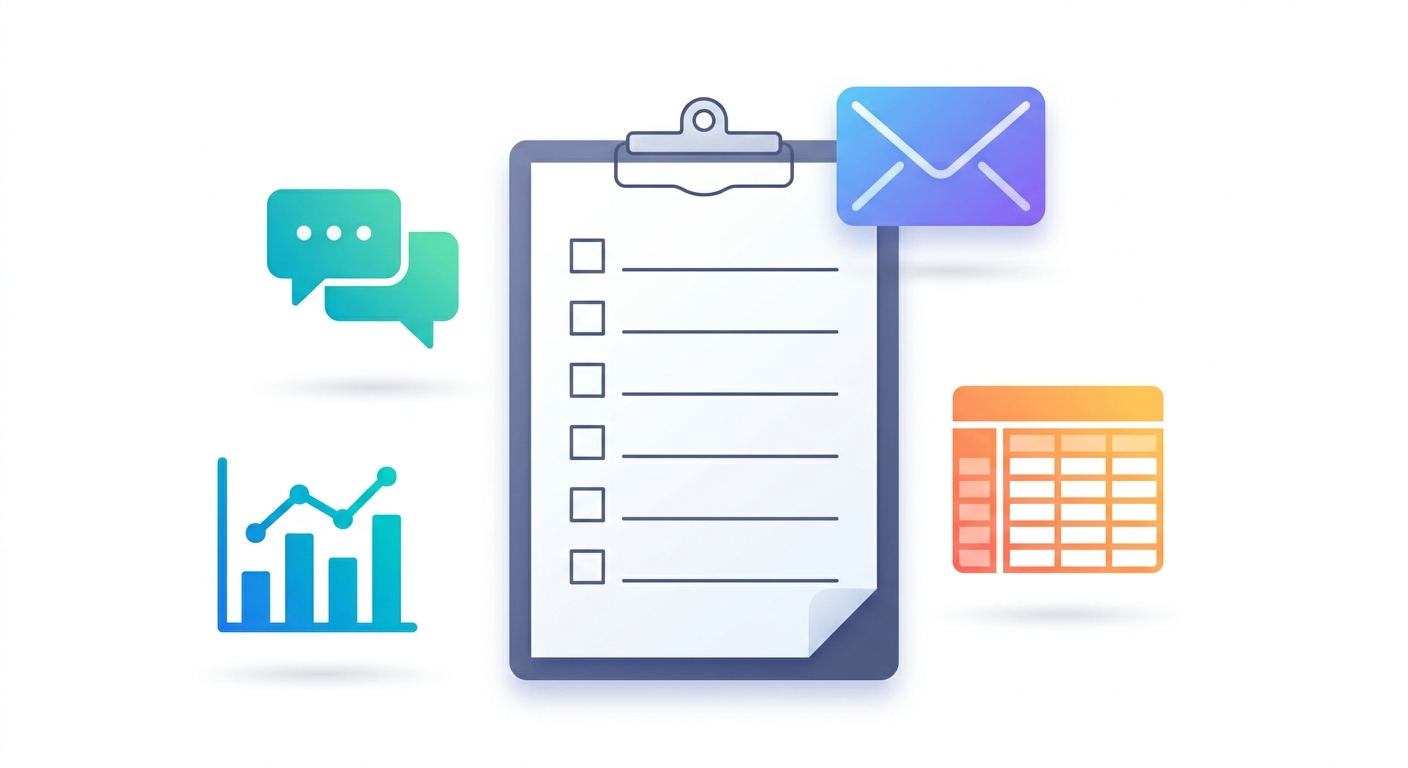
Before touching any tools, list your repetitive tasks. For most companies, these fall into a few categories: lead management, customer communication, internal approvals, reporting, and routine data entry.
A simple exercise: For one week, write down every recurring task that takes you more than 10 minutes and happens at least twice a week. That’s your automation backlog.
Examples of good candidates:
- Sending follow-up emails to leads that filled a form
- Notifying your team on WhatsApp/Slack when a new order comes in
- Updating spreadsheets or CRM after each client call
- Generating weekly sales or project status reports
2. Automate lead capture and follow-ups
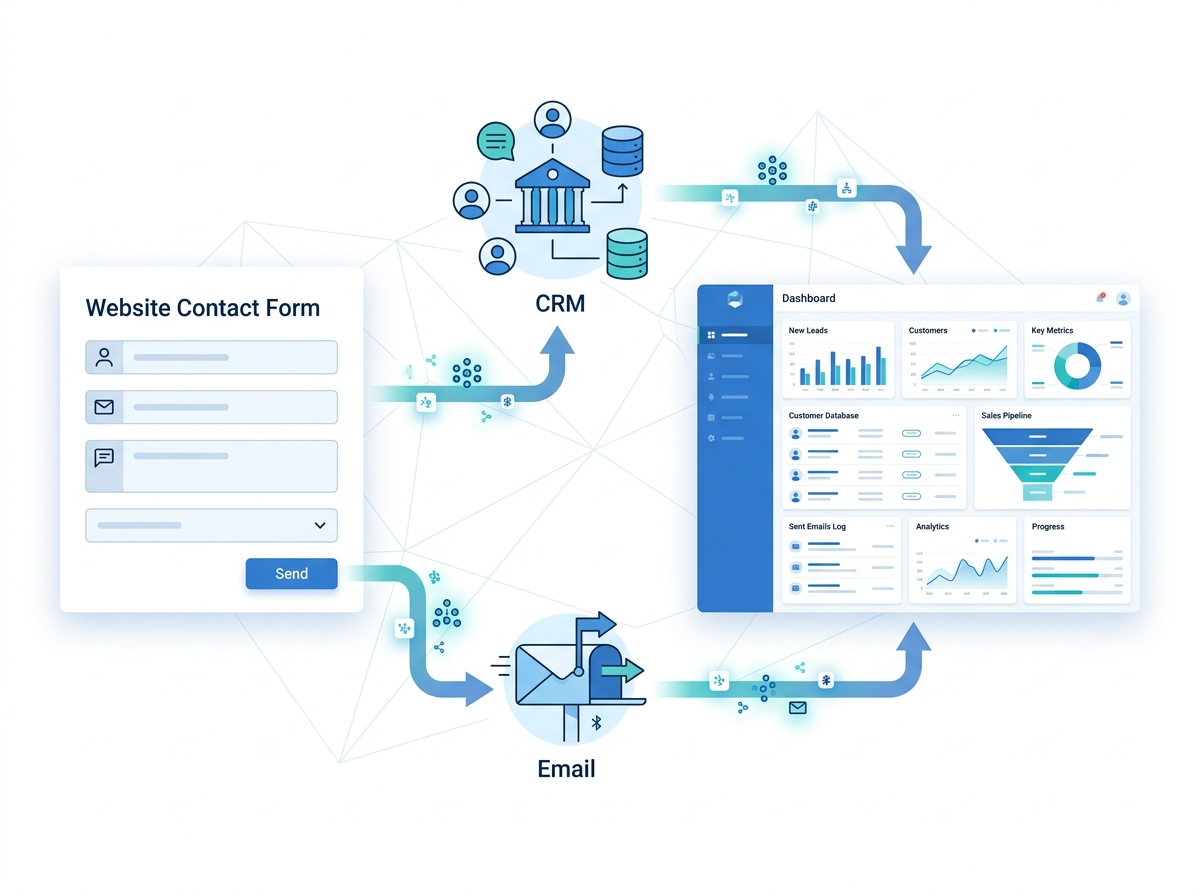
Most leads are lost not because your product is bad, but because follow-up is inconsistent.
You can fix this with a simple workflow:
- Every form submission on your website goes to a CRM or sheet automatically
- The lead instantly gets a personalized email or WhatsApp message
- Your sales team gets a notification with key details and next steps
Tools can be as simple as form-to-sheet integrations, no-code automation platforms, or a custom backend that connects your website, CRM, and email system. At Snowcorp, we often build lightweight lead pipelines that plug directly into the tools businesses already use, instead of forcing them onto new platforms.
3. Use internal bots for routine operations
Think of how many times a day your team asks: “What’s the status of this order?” “Has the invoice been sent?” “Who is handling this client?”
Instead of answering manually, you can use simple internal tools or chatbots that pull data from your database or spreadsheets and respond instantly.
Some practical ideas:
- A small dashboard for order status and payment tracking
- A bot that posts daily summaries of new leads, tickets, or tasks to a team channel
- Automated reminders for pending approvals, document uploads, or timesheets
These don’t need to be “big” AI projects. Even basic rule-based automations save hours every week.
4. Automate reporting for better decisions
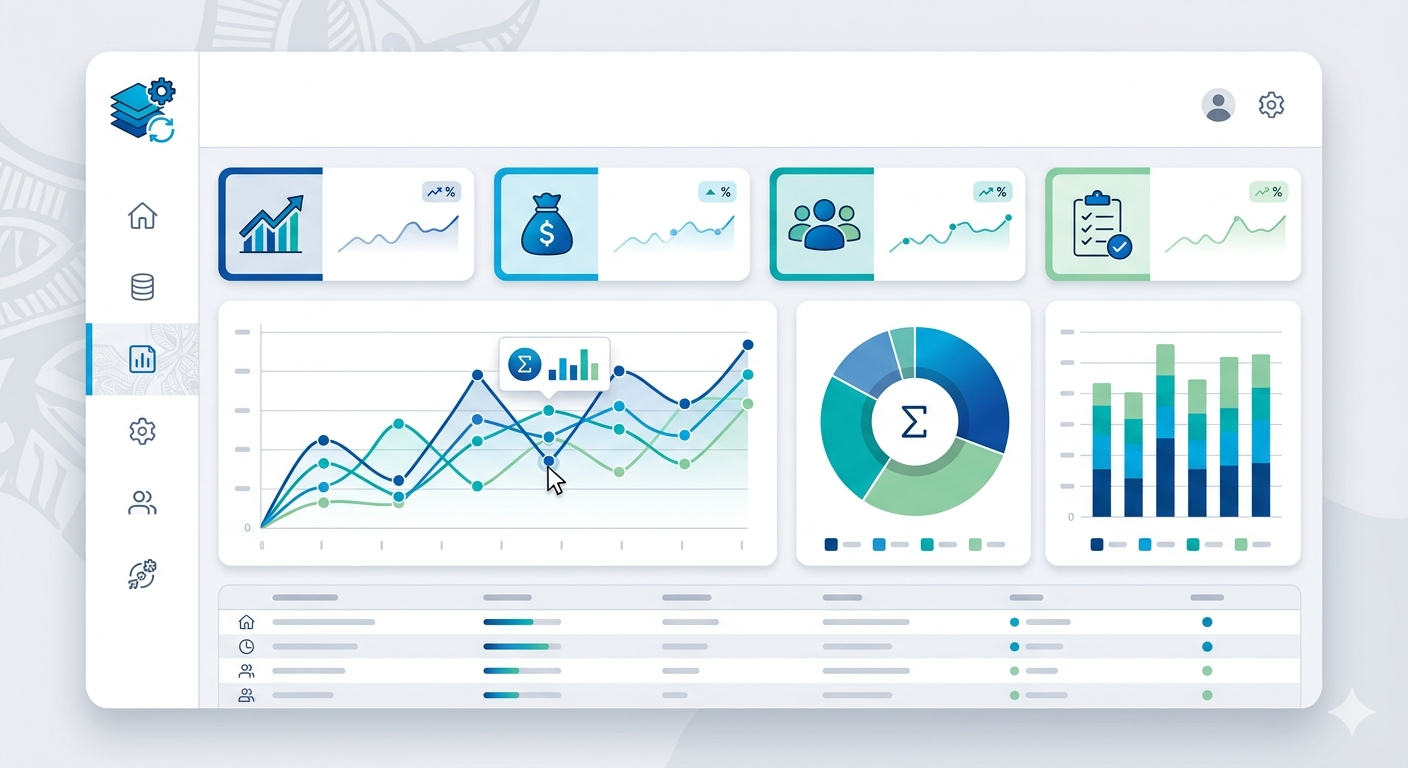
Most founders want more visibility into their numbers but hate manually updating reports.
You can automate:
- Daily/weekly revenue and expense snapshots
- Project progress and task completion reports
- Marketing campaign performance summaries
By connecting your billing, project management, and marketing tools to a central reporting layer, you get consistent dashboards with almost no manual work. Many businesses start seeing patterns they never noticed when everything lived in disconnected spreadsheets.
5. Start small, then scale
The biggest mistake is trying to automate everything at once. That leads to complex systems nobody uses.
Instead, start with one or two high-impact workflows, measure the time saved, and then iterate.
A simple roadmap could be:
- Month 1: Automate lead capture and follow-up
- Month 2: Automate internal notifications and approvals
- Month 3: Automate weekly reporting
As your team experiences the benefits, it becomes easier to expand automation into HR, finance, and customer support.
6. How Snowcorp can help
At Snowcorp Technologies, we work with businesses across India to design and build custom automation workflows, mobile apps, and web platforms that remove manual work from their day-to-day operations.
Because we’re a product-focused software company, we don’t just build once and disappear—we help you iterate based on real usage and feedback from your team.
We’ve delivered dozens of projects across domains like food delivery, HRMS, fintech, and internal tools, so we understand both the tech and the business side of automation. Whether you need a small internal tool or a full product suite, we can help you design something that fits your workflows instead of forcing you to change everything overnight.
Ready to automate 30% of your work?
If you’re thinking, “We’re too small for automation,” that’s exactly when you should start. The earlier you reduce manual work, the faster you can grow without bloating your team.
Want to identify what you can automate in your business? Contact us on our website and share a short description of your current processes—we’ll suggest a 2–3 step automation plan tailored to you.