The Metaverse a Virtual Reality Revolution - Snowcorp Blog
Posted on September 3, 2024 • 2 minutes • 419 words
Introduction
The metaverse, a concept that has been gaining significant traction in recent years, represents a convergence of virtual and augmented reality technologies. It envisions a persistent, shared digital space where users can interact with each other, create content, and participate in various activities. This immersive experience has the potential to revolutionize how we socialize, work, and entertain ourselves.
Understanding the Metaverse
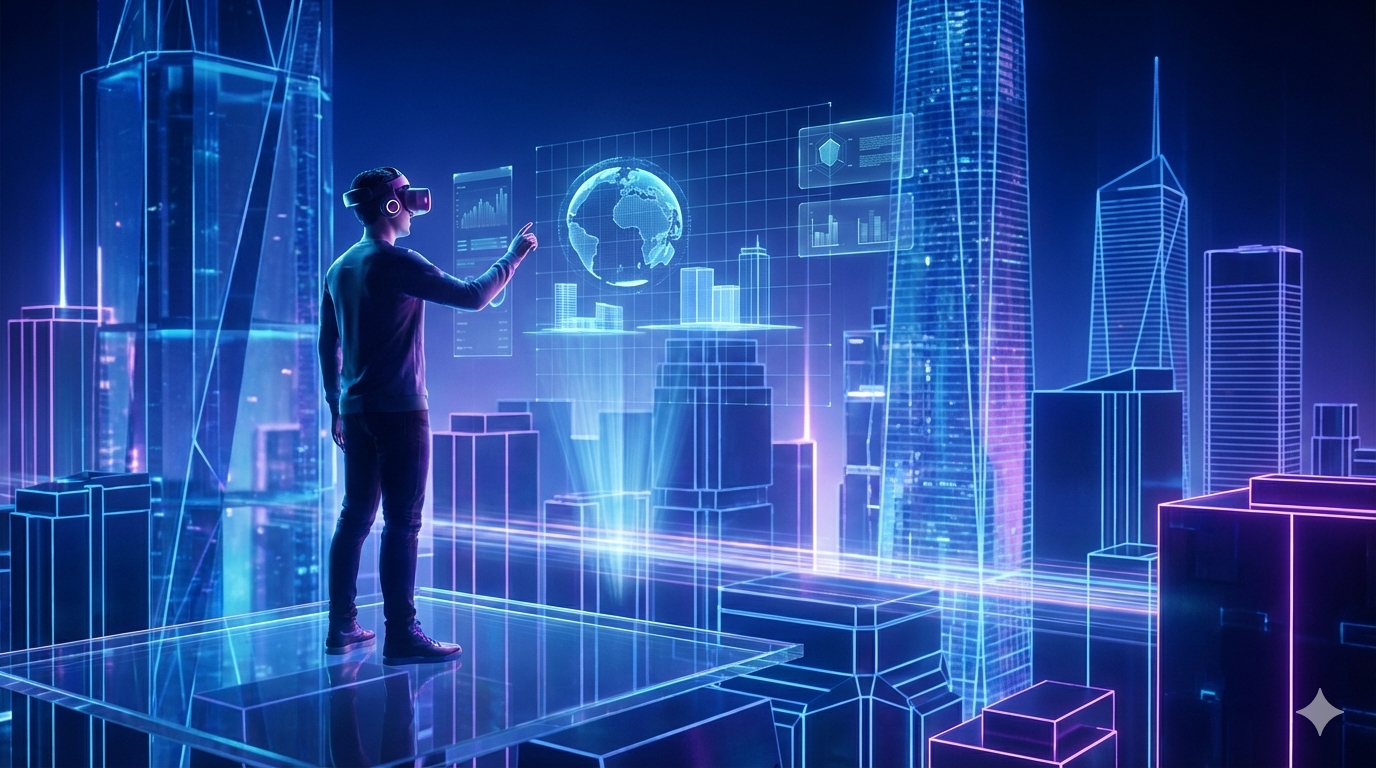
At its core, the metaverse is a 3D digital world that is accessible through various devices, including VR headsets, AR glasses, and even smartphones. It’s a place where users can create avatars, explore virtual environments, and interact with others in real-time. Unlike traditional online platforms, the metaverse offers a more immersive and interactive experience, blurring the lines between the physical and digital worlds.
Key Components of the Metaverse
Interoperability: The metaverse should allow users to seamlessly move between different virtual worlds, ensuring compatibility and accessibility. Persistence: Unlike traditional online games, the metaverse should maintain a persistent state, allowing users to continue their experiences over time. Social Interaction: A key aspect of the metaverse is the ability for users to connect and interact with each other in a social context. Economy: The metaverse can support a virtual economy where users can buy, sell, and trade digital assets, creating new opportunities for creators and businesses. Potential Applications of the Metaverse
Socializing and Gaming: The metaverse can offer a new way for people to socialize, play games, and attend virtual events. Education and Training: Educational institutions can utilize the metaverse to create immersive learning experiences, simulating real-world scenarios. Remote Work and Collaboration: The metaverse can facilitate remote work and collaboration by providing a shared virtual workspace. Shopping and Retail: Businesses can establish virtual stores in the metaverse, offering customers a unique shopping experience. Entertainment and Arts: The metaverse can be a platform for creators to showcase their work, from virtual concerts to digital art galleries. Challenges and Opportunities
While the metaverse holds immense promise, there are several challenges that need to be addressed. These include technical limitations, privacy concerns, and the potential for digital inequality. However, overcoming these challenges can unlock significant opportunities for individuals and businesses alike.
Conclusion
The metaverse represents a paradigm shift in how we interact with technology and each other. As technology continues to advance, the metaverse is likely to become an increasingly integral part of our daily lives. By understanding its potential and addressing its challenges, we can harness the power of this virtual reality revolution to create a more connected and immersive digital future.